
Fire Compliance & Regulations For Load-Bearing Walls – A Technical Update

In an environment of increasing regulatory scrutiny and evolving standards, fire compliance is no longer something architects can delegate—it’s a shared responsibility, and it begins at the design stage. From the tragic La Crosse cladding fire to the legislative reforms that followed, Australia’s building industry has been reshaped by the need for better fire performance […]
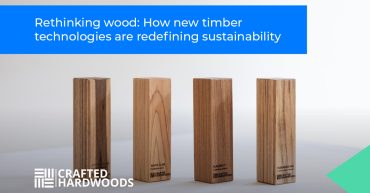
As demand for sustainable materials accelerates, few products are as sought-after or as scrutinised as timber. Valued for its natural beauty and carbon-sequestering properties, wood has long been considered a go-to material for environmentally conscious design. But as we face growing climate targets, supply chain pressures and an end to native logging in parts of […]
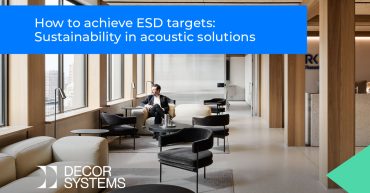
As the built environment pivots toward net-zero targets, circular economy principles and ethically responsible sourcing, the role of material specification has evolved beyond performance alone. Today, acoustic solutions must satisfy far more than sound control. From NCC 2025’s new embodied carbon disclosure requirements to the industry’s growing focus on material circularity, transparency and Indigenous engagement, […]
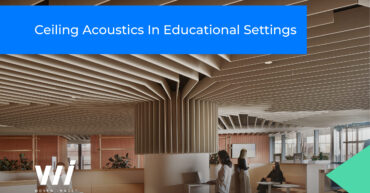
The importance of acoustics in educational settings cannot be overstated. Beyond making it difficult for students to hear their teachers, the negative impacts of poor classroom acoustics can be significant. From the students’ point of view, these include effects on cognitive functioning as well as an increase in behavioural problems, which in turn, have negative […]
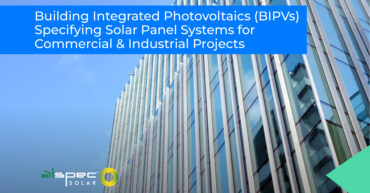
Solar energy is fast becoming a defining element of contemporary architecture, offering opportunities to improve building performance, reduce operational costs and contribute to Australia’s transition toward a low-carbon future. However, integrating solar technology into the built environment often raises challenges around aesthetics, structural compatibility, and design intent. Building Integrated Photovoltaics (BIPVs) present an innovative solution—allowing […]

According to the Australian Bureau of Statistics, as of 2022, 5.5 million Australians (21.4% of the total population) were living with disabilities. Many of these people face ambulatory challenges. For various reasons, they find it difficult to navigate uneven surfaces, to climb stairs, and so on. Add to this the effects of ageing, and the […]
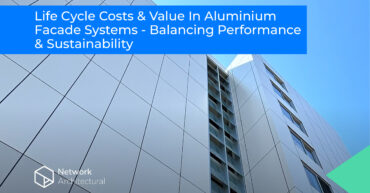
Aluminium façade systems are far from a one-size-fits-all proposition. Broadly speaking, specifiers seeking such products can choose between solid aluminium panels, corrugated core panels, and non-combustible mineral core panels. As is the case with most types of architectural products, each has its own strengths and benefits (in terms of design potential, function, and performance), and […]
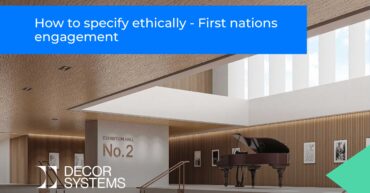
Architecture is a powerful medium for storytelling, offering the chance to forge meaningful connections to place and culture. For Indigenous communities, these connections are deeply tied to the concept of Country—a holistic relationship with land, water, and sky that shapes identity and traditions. While Indigenous perspectives in architecture have historically been underrepresented, architects and designers […]

In recent years, the conversation around sustainable design has expanded beyond aesthetics and functionality to include environmental impact, health, and long-term safety. Kitchens and bathrooms, which are some of the most used spaces in any building, can greatly affect indoor air and water quality through the materials and fixtures chosen. Traditional materials in these spaces, […]
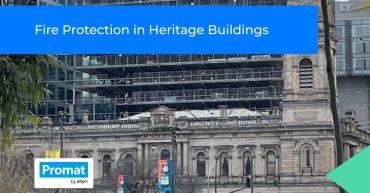
Adaptive re-use is one of the surest ways to ensure heritage buildings continue as more than historical artifacts. In the right hands – when re-imagined as residential, commercial or retail buildings – the factories, schools and convents of yesterday can be given a new lease of life. That said, transformations of this kind are not […]