
DY Testing 23-02

Though estimates vary, it is generally accepted that, globally, the construction sector is responsible for around 40 per cent of total carbon emissions. To address this situation, and avoid the potentially catastrophic consequences of climate change, the World Green Building proposes nothing less than total decarbonisation of the built environment by 2050. To this end, […]

In assessing the sustainability of commercial building projects, it’s important to recognise the impacts of fitouts. In terms of embodied carbon, such choices are as likely to be problematic as external materials, structural elements, and so on. Indeed, thanks to the fast pace of tenancy changes, commercial fitouts involve one key challenge – associated with […]

As is often noted, despite its massive interior, Australia is very much a coastal loving nation. All our major cities are located by the sea, and as the most recent ‘State of the Environment Report’ points out, approximately 85 per cent of Australians live within 50 km of the coast. Drilling deeper into the same […]
The term ‘Day 2 Services’ refers to everything that occurs once a project’s construction phase is complete and the building in question is fully operational. It refers to daily functions, including those associated with wiring and electricals, plumbing, automated systems, and HVAC. Effective Day 2 services have environmental benefits. Beyond ensuring the efficiency of systems, […]

Prior to the ban on engineered stone – and now after the ban – crystalline silica exposure is still one of the most pressing occupational health issues facing the stone fabrication industry. In this context, architects and specifiers are under growing pressure to understand the materials they put in front of clients. In this session […]
Technically defined as the vertical element forming the external envelope of a building, the external wall includes several structural and non-structural components, namely external cladding, a weather-resistive barrier, framing, insulation, and internal lining. Together, these components are responsible for loadbearing capacity, environmental separation, fire resistance and architectural expression, and more. They influence outcomes in terms […]
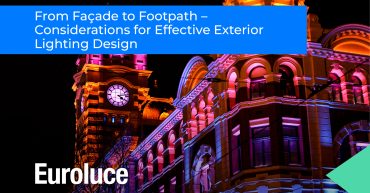
When specifying external lighting for heritage buildings, there is one key thing to keep in mind. Unlike most tasks of this type, where lighting can be integrated into the project at the early planning stage, with heritage architecture most of the work has already been done (by somebody else, possibly many years ago). New external […]
Under the National Construction Code (NCC), building refurbishment and changes tend to trigger increases in required Fire Resistance Levels (FRLs). Open-deck carparks and certain sprinkler-protected are good examples. Until recently, buildings of this type benefited from FRL concessions that reduced or eliminated fire resistance obligations on their structural concrete elements. NCC 2025 has removed these […]